
Togo, Benin & Ghana Circuit - 14 days
An immersive 14-day journey through Togo, Benin, and Ghana, exploring royal kingdoms, sacred Vodun heritage, UNESCO-listed sites, vibrant traditions, coastal landscapes, and authentic West African cultural experiences.
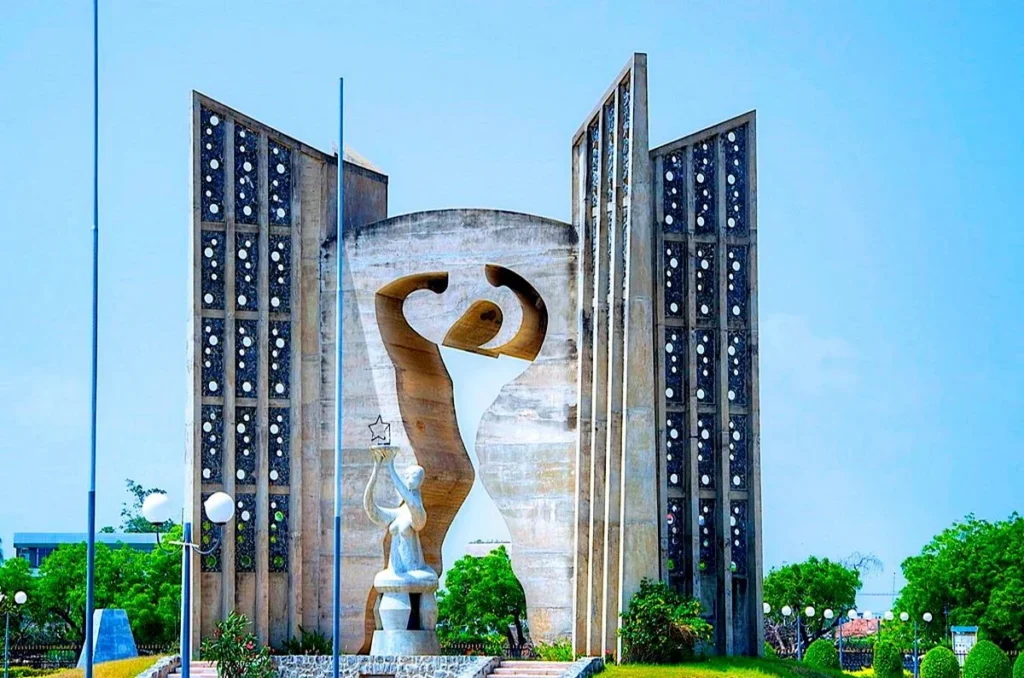
Day 1: ARRIVAL IN LOME
Airport welcome and hotel transfer.
Day 2: VISIT OF LOME
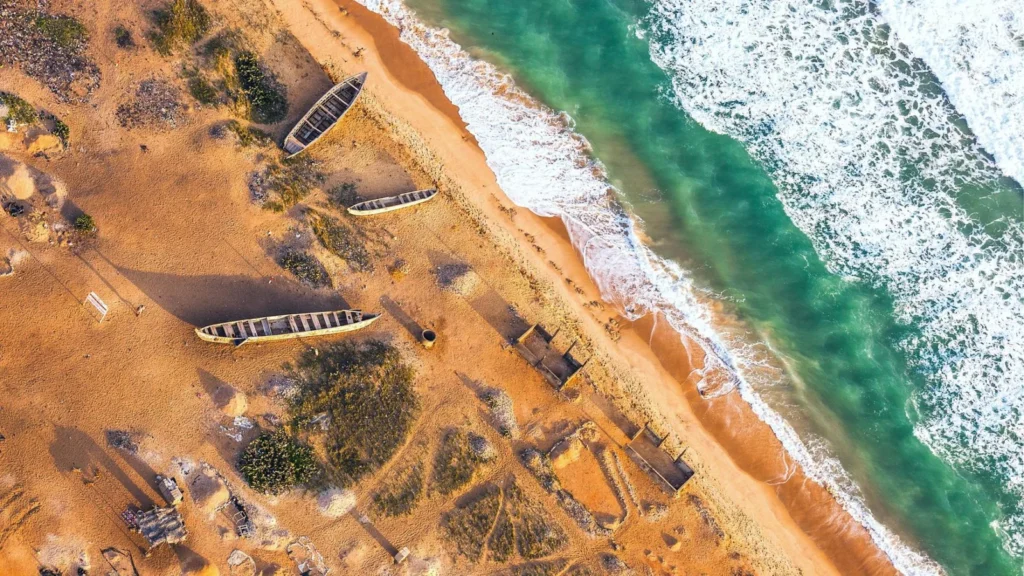
Lomé is the capital and largest city of Togo, located on the Atlantic coast, in the far west of the country, near the border with Ghana. It is a major economic, political and cultural center. The city is known for its beaches lined with coconut trees and fine sand, particularly those along the Gulf of Guinea, as well as for its countless bars where a good part of the population gathers every evening, especially on weekends, to relax before returning to work. Lomé is also a cultural crossroads where Togolese traditions and influences from other communities blend. The large central market, animated by the famous Nana Benz, houses the magnificent Sacred Heart Cathedral and offers immersion in local crafts, fresh products and traditional fabrics.
Day 3: AGBODRAFO - OUIDAH
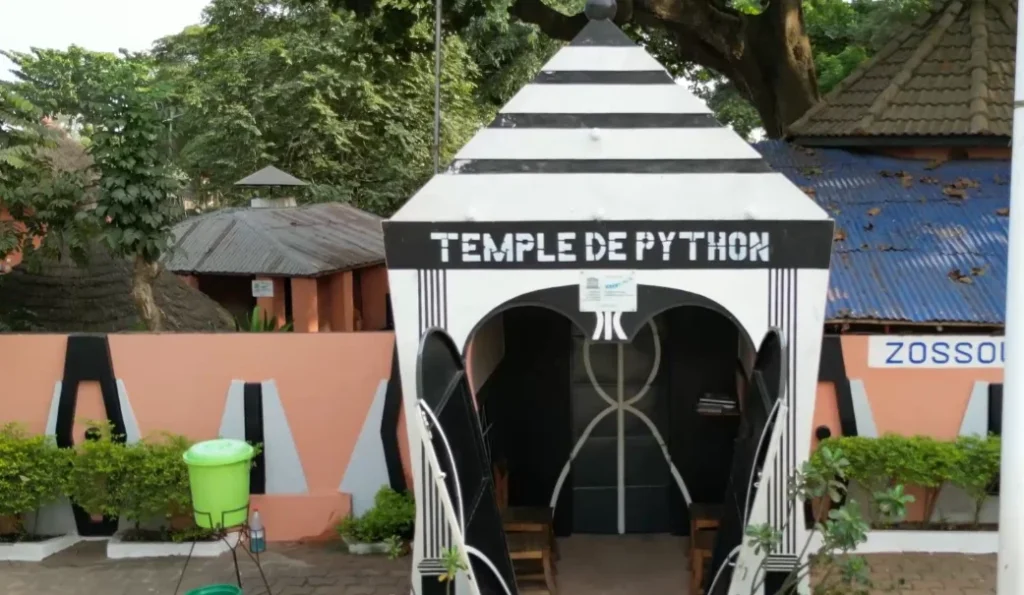
Ouidah is a historic city located on the Atlantic coast of Benin, about 40 kilometers west of Cotonou, the largest city in the country. Its attractions include: the slave route that leads to the door of no return, the Portuguese fort that once played an important role in the slave trade, now converted into a museum, tracing the history of the city at that time. Ouidah is an important center of Vodou, a traditional religion widely practiced in Benin. The city is home to several Vodou temples including the famous Temple of Pythons, a religious site that is one of the most emblematic places of the Vodou religion and every year, it organizes festivals dedicated to this culture including the International Vodou Festival which is now celebrated every second Friday of January. Ouidah is an important place of memory, where tragic history, spirituality and living culture blend together, offering travelers an immersive experience in the past and traditions of Benin.
Day 4: OUIDAH-GANVIE-DASSA
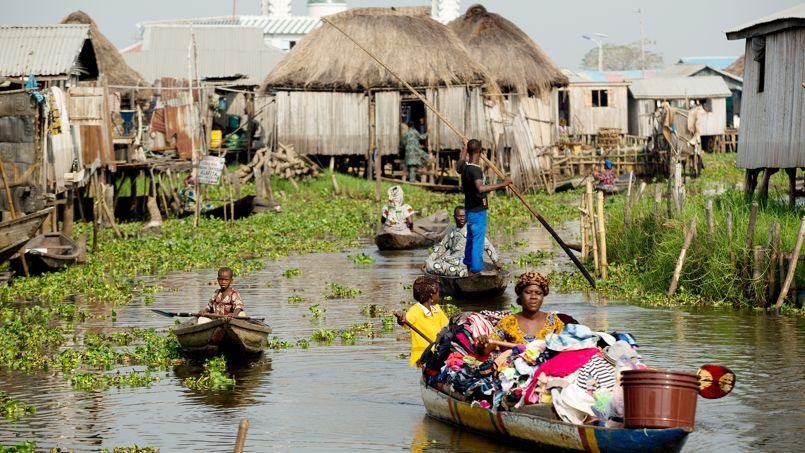
Ganvié is a lakeside village located in Benin, often nicknamed “Venice of Africa”, because it is built on Lake Nokoué, near the city of Cotonou. This unique village is distinguished by the fact that it is entirely built on the water with houses on stilts. Ganvié is one of the largest lakeside communities in the world, an exceptional site that attracts many visitors. The village is accessible by pirogue and visitors can explore its canals and discover the daily life of the inhabitants. The houses on stilts, the floating markets and traditional activities such as fishing by pirogue create a very special atmosphere.
Day 5: DASSA - DJOUGOU
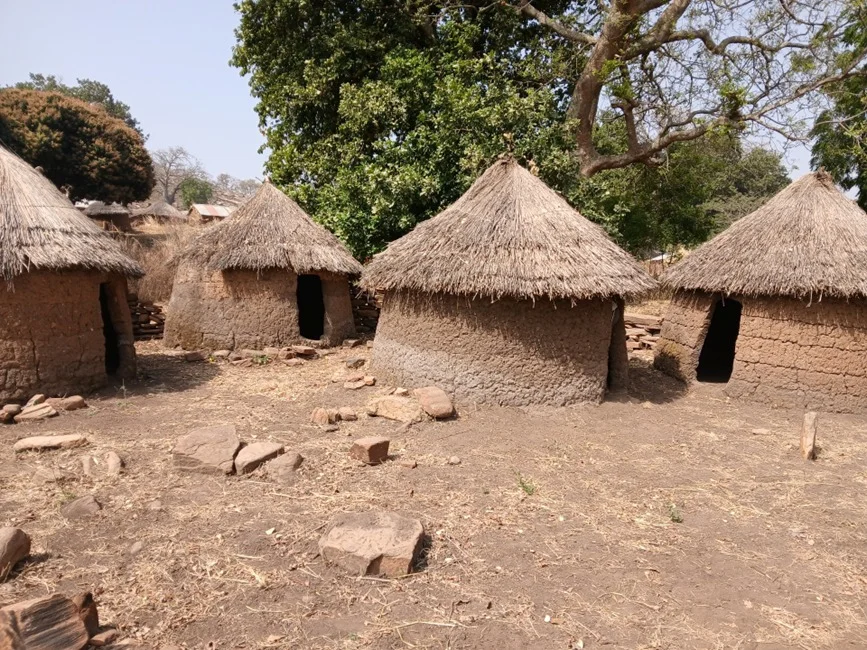
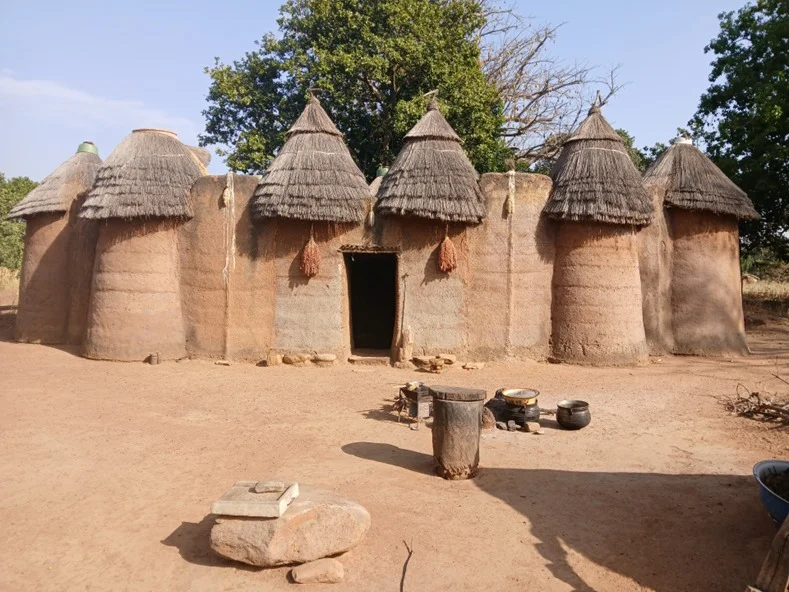
Dankoli is an important sanctuary of prayer par excellence in Savalou in Benin where voodoo followers especially from various backgrounds come to make their prayers and offerings to thank the spirits of the Dankoli fetish. The villages of Taneka are located in the Taneka mountain near Copargo and Dougou. This population has lived on an archaeological site for centuries. The first inhabitants would be Kabyè who came from the north of Togo since the 9th century. Thus, other populations joined them forming a great mix while each keeping their cults and initiatory rites. One of the characteristics of the Taneka is that they succeeded in creating common religious and political institutions.
Day 6: Djougou → Kara
Ouidah is a historic city located on the Atlantic coast of Benin, about 40 km west of Cotonou. Among its emblematic sites: the Slave Route leading to the Door of No Return and the Portuguese fort, once at the heart of the slave trade and now transformed into a museum retracing this history. Ouidah is also a major center of voodoo, a traditional religion widely practiced in Benin. It is home to the famous Temple of Pythons, an unmissable religious site. Each year, the city hosts the International Voodoo Festival, celebrated on the second Friday of January. Ouidah is a place of memory where tragic history and living culture blend.
Day 7: Kara – Sokodé
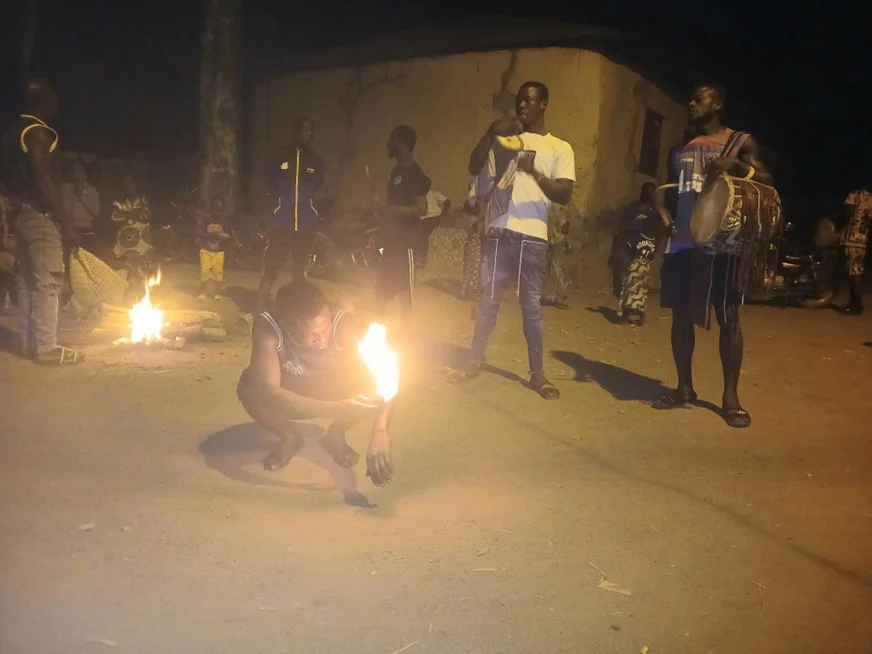
Once a town developed in pre-colonial times as a trading hub on the cola route between Ghana and Benin, Sokodé is today a fascinating destination for those wishing to explore another side of Togo, far from the coast. The mix of culture, history, nature and great ethnic diversity offers visitors an authentic and enriching experience with the unmissable fire dance.
Day 8: Sokodé – Kpalimé
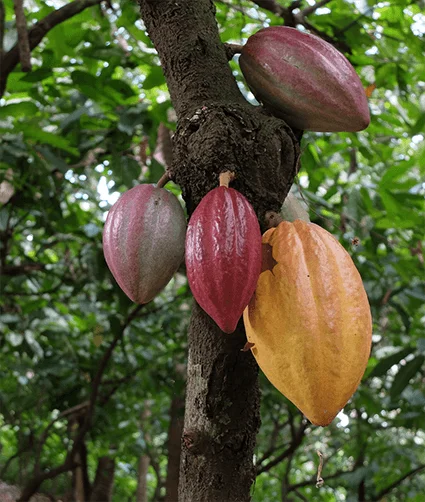
In the plateau region, Kpalimé is nestled in a valley surrounded by green mountains, not far from Mount Agou (the country’s highest peak at 986 meters above sea level). Kpalimé is best known for its natural beauty. The surroundings of Kpalimé are also rich in cocoa, coffee and banana plantations, making it a key region for Togolese agriculture. The city is also a cultural and craft center where you can find wooden sculptures, traditional fabrics and pottery. It is a place of relaxation and discovery, combining nature, culture and traditions. An ideal destination for hiking enthusiasts, flora lovers, as well as those who wish to immerse themselves in the authenticity of local Togolese life.
Day 9: Kpalimé – Koforidua
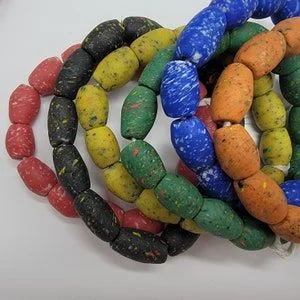
The Krobo people, an ethnic group from southeastern Ghana, are renowned for their ancestral art of bead making, which plays a central role in their culture, spirituality and economy. Here’s an overview of their deep connection with beads: The art of beading dates back several centuries. Beads are often made from recycled glass, an ecological and ingenious tradition. Glass is crushed then colored with natural pigments. The glass powder is placed in clay molds. They are then cooked in traditional ovens. After firing, the beads are hand-polished with sand and water to smooth their surface. We will visit a family renowned in Ghana for their art of bead making and we will have the opportunity to follow the manufacturing process from the workshop to the exhibition.
Day 10: Koforidua – Kumasi
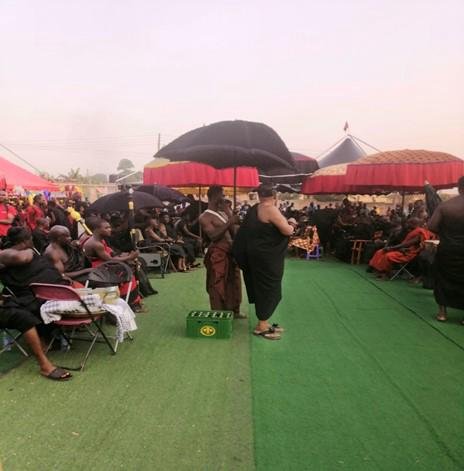
Route to Kumasi, where two highlights of our trip await us, transporting you to another world. We should arrive in time for lunch. It is one of the largest cities in Ghana, but above all the historic and spiritual capital of the ancient Ashanti kingdom. This people represented one of the most powerful nations in Africa until the end of the 19th century, when the British conquered the territory and incorporated it into their Gold Coast colony. We will visit the cultural center, which offers a beautiful collection of artworks in a superb reproduction of an Ashanti house. We will then attend the funeral ceremony. Mourners are draped in beautiful red and black fabrics. This ceremony is officially called ‘funeral’, but it is actually a festive event, as the deceased is always considered a permanent member of the family. Friends and family gather in memory of the deceased, the chief arrives surrounded by his court under the shade of a giant parasol, while percussionists give rhythm to the dancers, whose complexity is no longer to be demonstrated.
Day 11:Kumasi – Akwasidae Festival
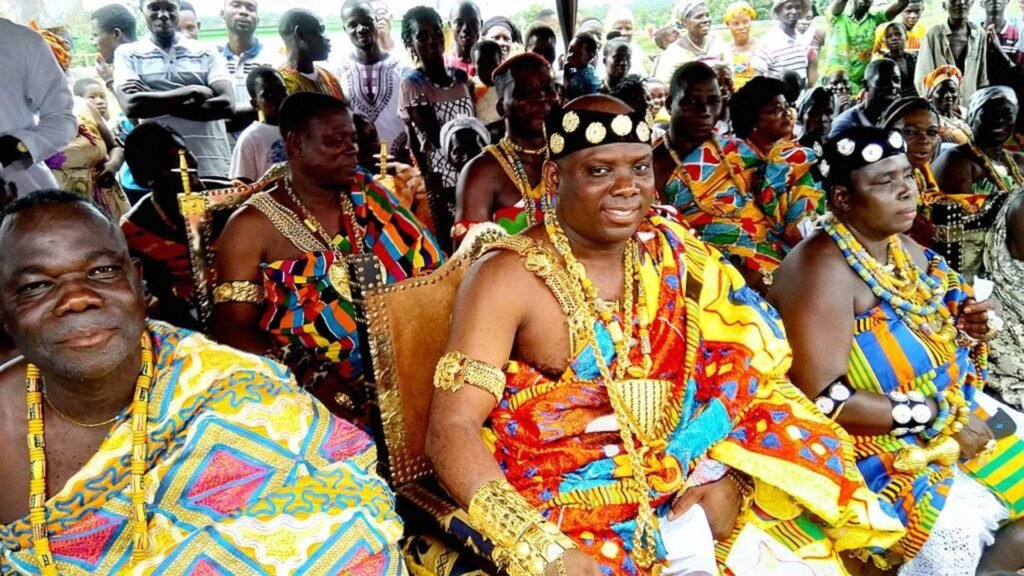
The Ashanti (or Asante) are an Akan people living mainly in the Ashanti region of central Ghana. They constitute one of the most powerful and culturally rich ethnic groups in the country. Their society is renowned for its centralized political structure, its king (the Asantehene) and its deeply rooted traditions. The Akwasidae festival is one of the most important cultural and spiritual events for the Ashanti. After breakfast, we will attend the colorful and elaborate Akwasidae festival, celebrated to ensure continued protection from guardian spirits and strengthen the unity of the people. During this celebration, the king, sitting under a spectacularly colored parasol, wears colorful clothes and ancient solid gold jewelry (Ashanti gold jewelry and masks are considered one of the finest African artworks), and is surrounded by advisors, all under the authority of the royal speaker, who holds the symbols of power in his hands. Facing the king are dignitaries and ceremonial staff: sword and knife bearers, armed guards, carriers of magnificent ostrich feather fans, etc. The ceremony then includes storytellers reciting the history of the Ashanti dynasty, drummers and trumpeters blowing ivory horns. Carried dancers, dressed in red robes, perform a frenzied dance. The queen mother sometimes joins the ceremony with other family members. This celebration allows visitors to discover the colors and atmosphere of the great monarchies of yesteryear.
Day 12: Kumasi – Elmina
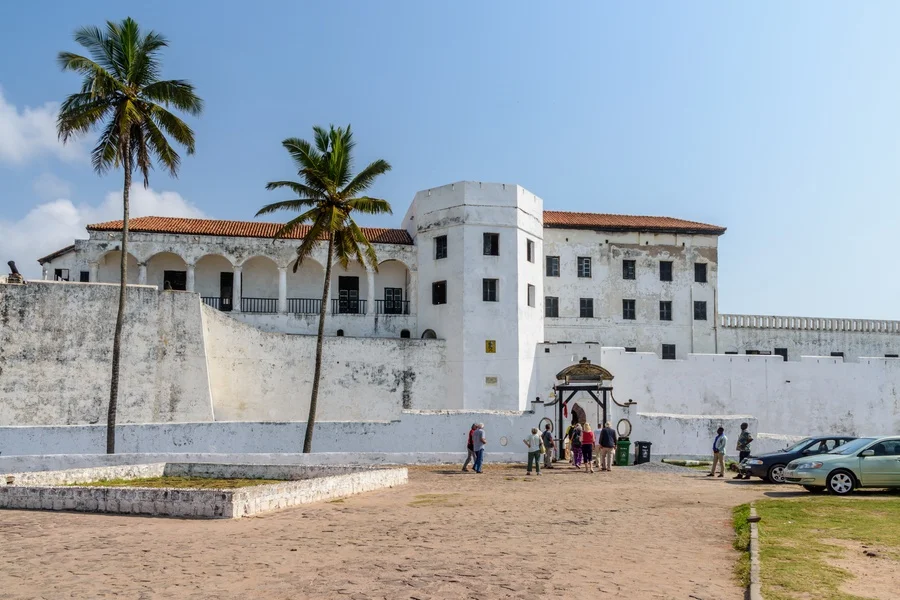
Visit to Fort St. George (Elmina) George in Elmina is the most impressive and oldest fort in sub-Saharan Africa. Undoubtedly the best known, it is classified as a UNESCO World Heritage Site. It is the largest permanent structure in sub-Saharan Africa. It was built by the Portuguese in the 15th century and was used for the trade of gold, ivory and slaves. Elmina, a name linked to the history of West Africa, but also to history in general. In 1482, Christopher Columbus and Bartolomeo Diaz landed there with about ten caravels to build a castle under Portuguese rule. The site was considered a gold extraction zone, and this is how the history of Elmina began.
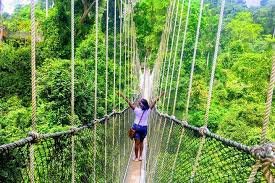
Day 13: Elmina – Kakum National Park
Located in the central region of Ghana, Kakum National Park is one of Ghana’s most famous and accessible protected areas. It is a particular site in Ghana: a network of suspension bridges in the middle of the tropical forest.
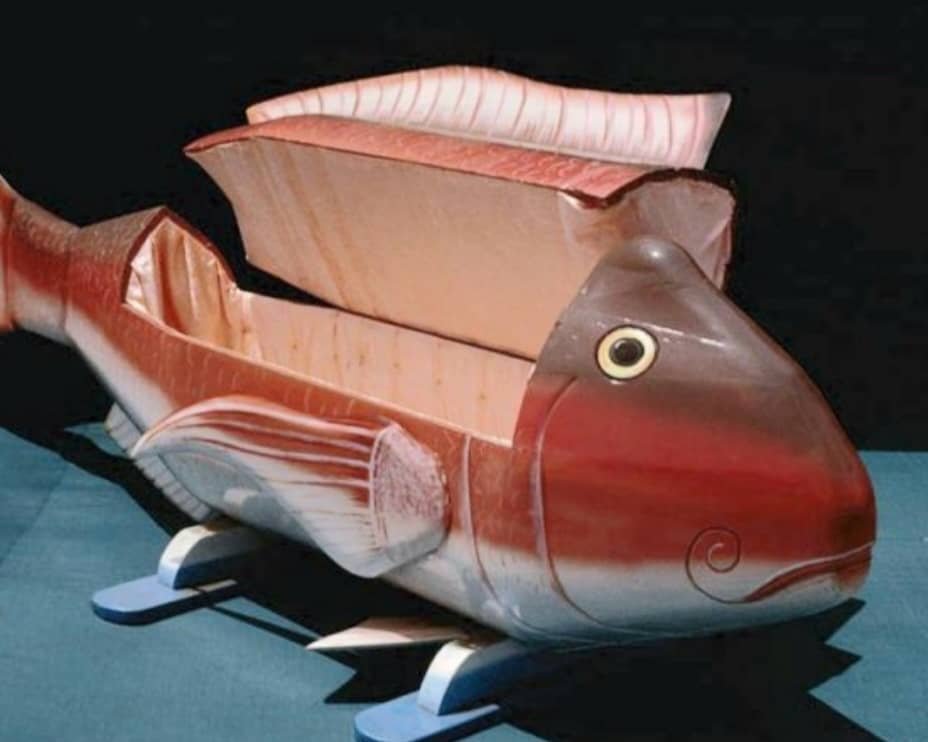
Day 13: Elmina – Accra
Jamestown, one of the oldest neighborhoods in Accra, dates back to colonial times and played a key role in Ghana’s history. Jamestown, where the Ga people live, is known for its rich traditions and connection to the sea. We will drive along the coast, passing through Independence Square, to land in one of the workshops of the makers of fantasy coffins representing fruits, fish, animals and others. Lunch and time to refresh in some hotel rooms before leaving for the airport.
Price per person
6+ people
3,125€
4-5 people
3,600€
2-3 people
4,125€
Your journey starts here
Discover the cultural and historical richness of Togo, Benin, and Ghana on this 14-day immersive journey blending royal heritage, sacred traditions, coastal landscapes, and authentic West African experiences. .