
Togo & Bénin Tours - 10 days
An immersive 10-day journey through Togo and Benin, exploring powerful history, vibrant traditions, sacred Vodun heritage, royal kingdoms, coastal landscapes, and authentic West African cultural experiences.
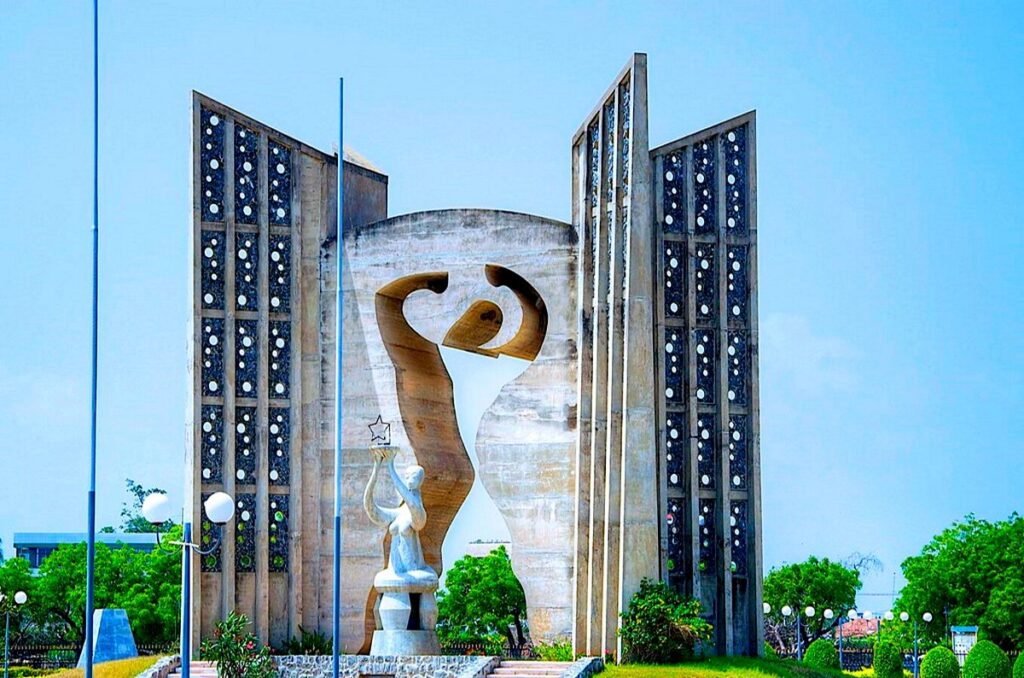
Day 1: ARRIVAL AND TRANSFER TO THE HOTEL
Assistance at the airport and transfer to the hotel
Day 2: VISIT OF LOME
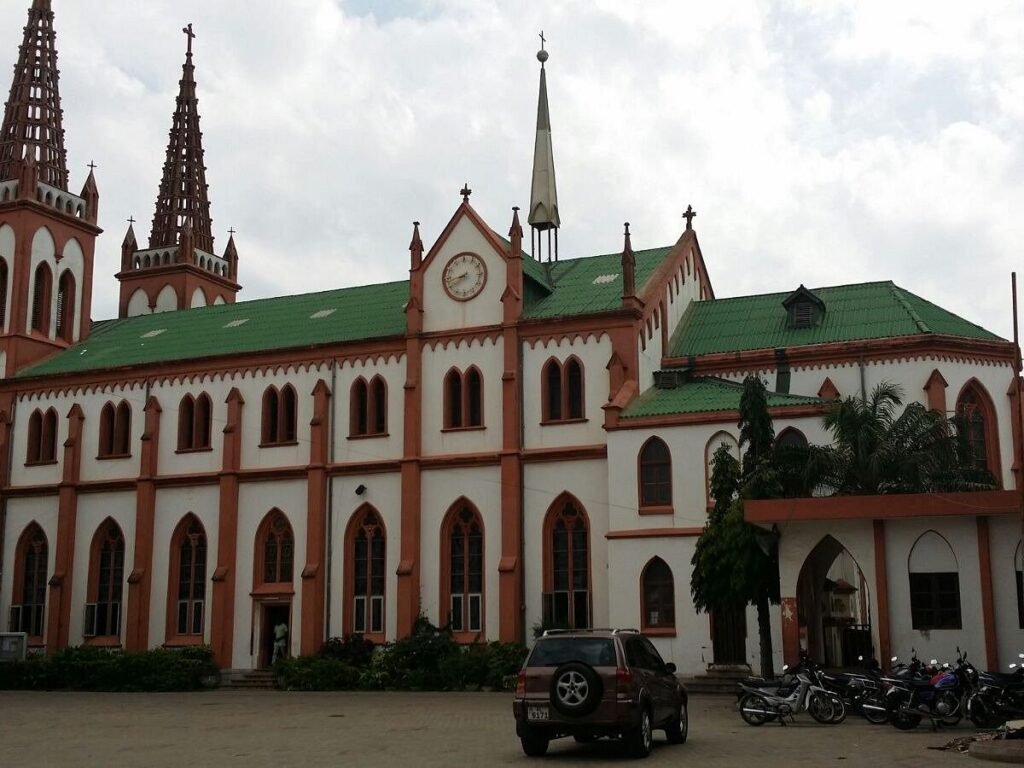
Lomé is the capital and largest city of Togo, located on the Atlantic coast, in the far west of the country, near the border with Ghana. It is a major economic, political and cultural center. The city is known for its beaches lined with coconut trees with fine sand, especially those along the Gulf of Guinea and countless bars where a good part of the population of Lomé goes every evening and especially on weekends to unwind before going back to work the next day. Lomé is also a cultural melting pot with a strong influence of Togolese traditions, but also a significant presence of other communities. The large central market animated by the Nana Benz and which houses the magnificent cathedral “Sacré cœur Junior”, is an emblematic place to discover local crafts, fresh products and traditional fabrics. One of the birthplaces of Voodoo, Togo is home to the largest fetish market in its capital. The city offers a mix of modernity and heritage, with modern administrative buildings and residential areas, while retaining aspects of its colonial history. It is also renowned for its lively nightlife, festivals and cultural events that are an integral part of the city’s identity.
Day 3: AGBODRAFO - KPALIME
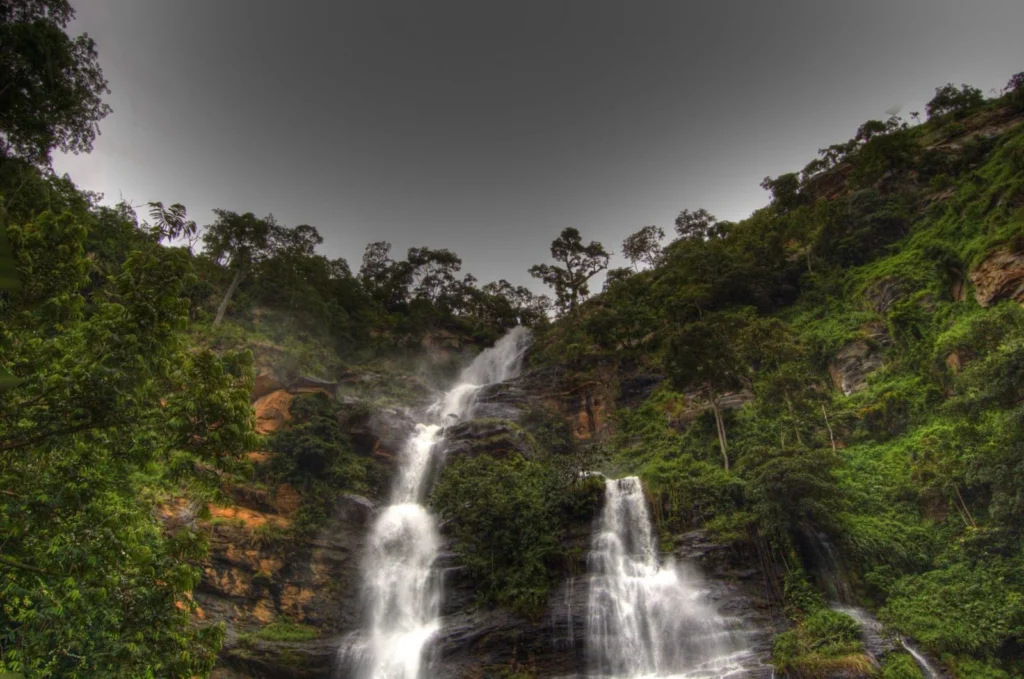
In the plateau region, Kpalimé is nestled in a valley surrounded by green mountains not far from Mount Agou (the highest peak in the country at 986 meters above sea level). Kpalimé is best known for its natural beauty and its impressive waterfalls, including the Womé waterfall. The surroundings of Kpalimé are also rich in cocoa, coffee and banana plantations, making it a key region for Togolese agriculture. The city is also a cultural and craft center where you can find wooden sculptures, traditional fabrics and pottery. It is a place of relaxation and discovery, combining nature, culture and traditions. An ideal destination for hiking enthusiasts, flora enthusiasts, as well as those who wish to immerse themselves in the authenticity of local Togolese life.
Day 4: KPALIME - SOKODE
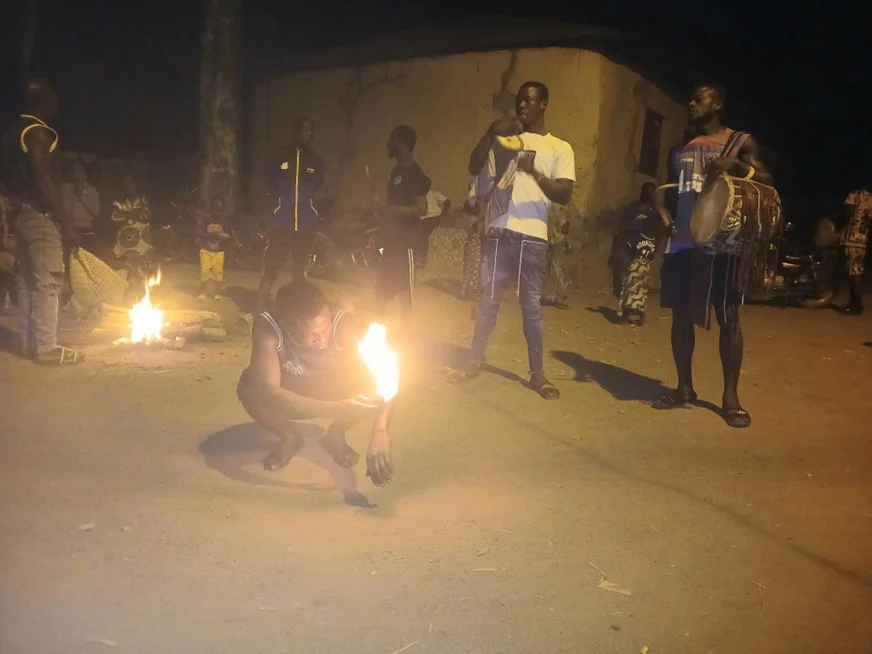
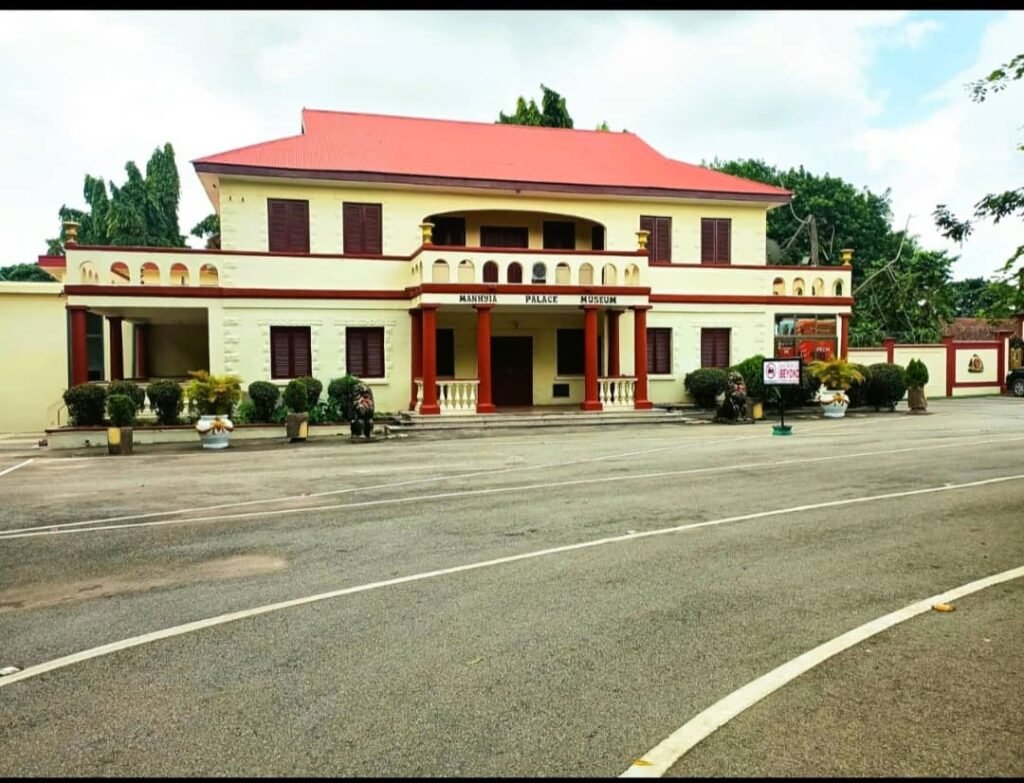
Once a town developed in pre-colonial times as a trading hub on the cola route between Ghana and Benin, Sokodé is today a fascinating destination for those wishing to explore another side of Togo, far from the coast. The mix of culture, history, nature and a great ethnic diversity offers visitors an authentic and enriching experience with the unmissable fire dance.
Day 5: SOKODE - KARA
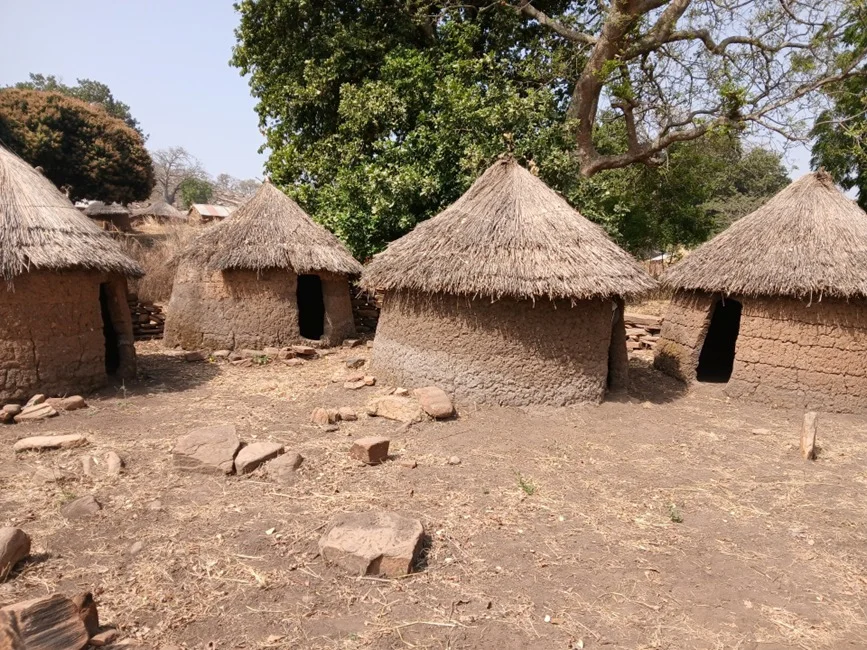
Kara is a city with a rich cultural and natural heritage including blacksmiths with ancestral techniques, women potters who shape clay, houses called soukala. The Tamberma are an ethnic group living in the Atakora Mountains in northeastern Togo and in the northwestern region of Benin. This people is renowned for their cultural particularities, their unique architecture and their ancestral traditions that have spanned the centuries. The Tamberma are known for their earthen fortresses, tower houses called takienta which are collective fortified dwellings. This is a fascinating ethnic group in Togo, which combines unique architecture, a solid social organization and deep cultural practices. Their traditional way of life and their resilience in the face of the challenges of history make them a remarkable group to discover.
Day 6: KARA - DASSA
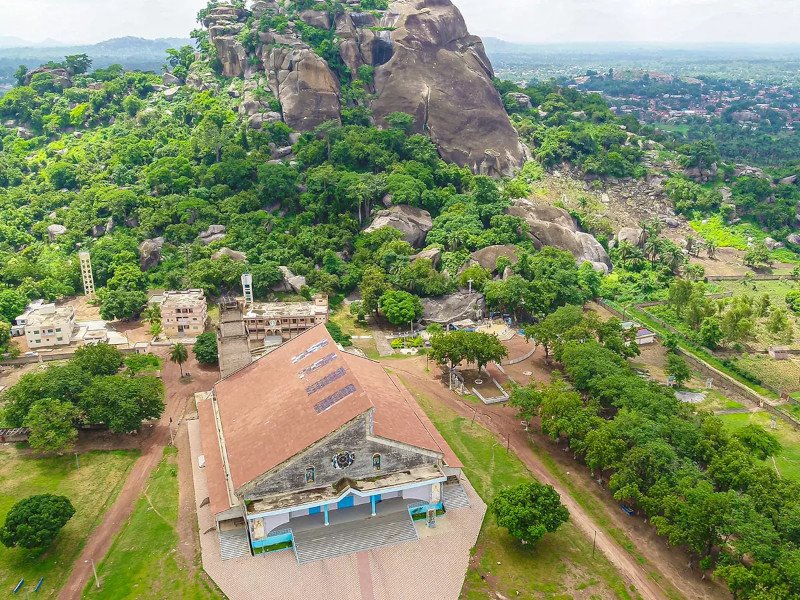
The villages of Taneka are located in the Taneka mountain near Copargo and Dougou. This population has lived on an archaeological site for centuries. The first inhabitants would be Kabyè who came from the north of Togo since the 9th century. Thus, other populations joined them forming a great mix while each keeping their cults and initiatory rites. One of the characteristics of the Taneka is that they succeeded in creating common religious and political institutions. Dankoli is an important sanctuary of prayer par excellence in Savalou in Benin where voodoo followers especially from various backgrounds come to make their prayers and offerings to thank the spirits of the Dankoli fetish.
Day 7: DASSA-ABOMEY
Located 145 kilometers from Cotonou, Abomey is a historic city founded by King Houegbadja. Once the capital of the Kingdom of Dahomey, it was a powerful empire that existed from the 17th century to the early 19th century. Today Abomey is a UNESCO World Heritage Site, mainly because of its rich history and royal palaces. The palaces of Abomey, which are a group of impressive buildings, are a testament to the ingenuity and power of the Dahomey monarchy. These palaces, built from the 17th century onwards, are decorated with bas-reliefs depicting scenes of war, conquests and royal rites. Guèlèdè is a colorful mask, often carved in wood and decorated with intricate designs and is an emblematic element of Yoruba culture, particularly in Nigeria and Benin. Known for its impressive mask, it is worn by dancers who interact with the audience by performing symbolic rituals. This mask is particularly famous for its stylized human figures, geometric shapes and patterns that represent ancestral spirits and deities.
Day 8: ABOMEY-COTONOU
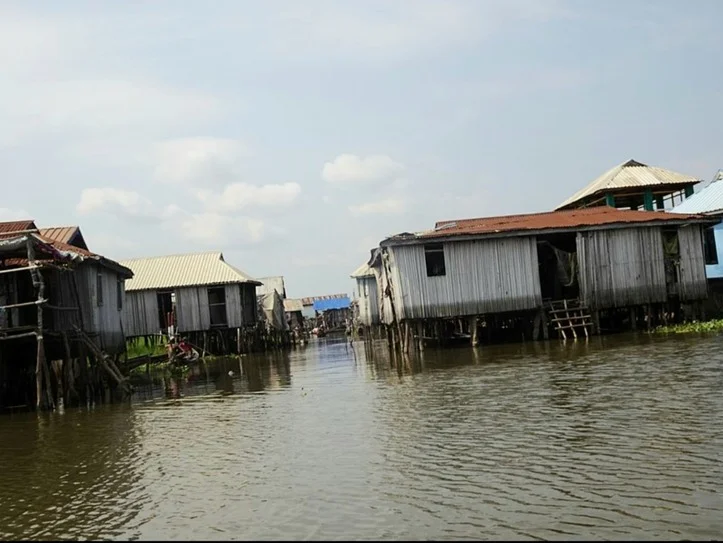
Ganvié is a lakeside village located in Benin, often nicknamed “Venice of Africa”, because it is built on Lake Nokoué, near the city of Cotonou. This unique village is distinguished by the fact that it is entirely built on the water with houses on stilts. Ganvié is one of the largest lakeside communities in the world, an exceptional site that attracts many visitors. The village is accessible by pirogue and visitors can explore its canals and discover the daily life of the inhabitants. The houses on stilts, the floating markets and traditional activities such as fishing by pirogue create a very special atmosphere.
Day 9: COTONOU - OUIDAH - GRAND-POPO
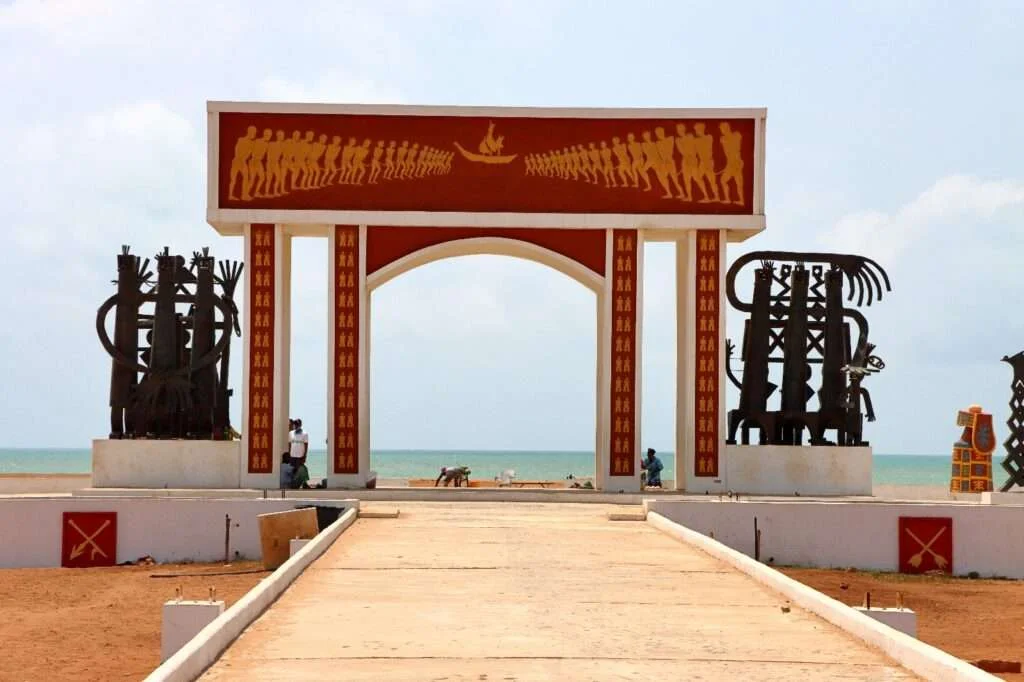
Ouidah is a historic city located on the Atlantic coast of Benin, about 40 kilometers west of Cotonou, the largest city in the country. Its attractions include: the slave route that leads to the door of no return, the Portuguese fort that once played an important role in the slave trade, now converted into a museum, tracing the history of the city at that time. Ouidah is an important center of Vodou, a traditional religion widely practiced in Benin. The city is home to several Vodou temples including the famous Temple of Pythons, a religious site that is one of the most emblematic places of the Vodou religion and every year, it organizes festivals dedicated to this culture including the International Vodou Festival which is now celebrated every second Friday of January. Ouidah is an important place of memory, where tragic history, spirituality and living culture blend together, offering travelers an immersive experience in the past and traditions of Benin.
Day 10: GRAND-POPO - LOME OUT
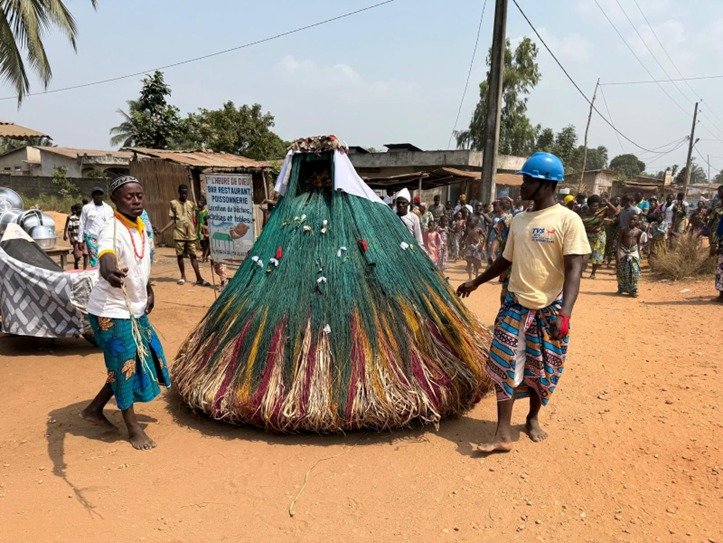
Located about 15 kilometers from the Togo-Benin border, Grand Popo is an exotic place where you can relax on its fine sandy beaches and preserved natural landscapes, especially along the Mono River and the Atlantic Ocean, explore its rich historical heritage and discover Beninese culture in a magnificent natural setting where there is the possibility of attending a Zangbeto mask dance. It is an ideal destination for those looking for a mix of culture, history and nature. Created in Benin, the Zangbeto mask consists of a wicker structure covered with a large raffia skirt, topped with a hood or apron, decorated with various signs specific to each cage. Zangbeto, in fact, occupies a police function controlled by a secret society, tracking down criminals, whether they are thieves or sorcerers, while playing an important role in maintaining order and in managing society’s problems.
Price per person
6+ people
2 953 €
4-5 people
3 108 €
2-3 people
3 500 €
Your journey starts here
Discover the wonders of Togo and Benin on this 10 day tour combining heritage, nature and authentic local encounters .