
Grand Tour of Ghana – 12 Days
An immersive 12-day journey through Ghana’s culture, history, and natural landscapes, combining heritage sites, vibrant traditions, and unforgettable coastal and inland experiences.
Day 1: ARRIVAL IN ACCRA
Meet and greet at the airport, followed by a transfer to the hotel.
Day 2: Accra to Anomabo (155km / 3h44min)
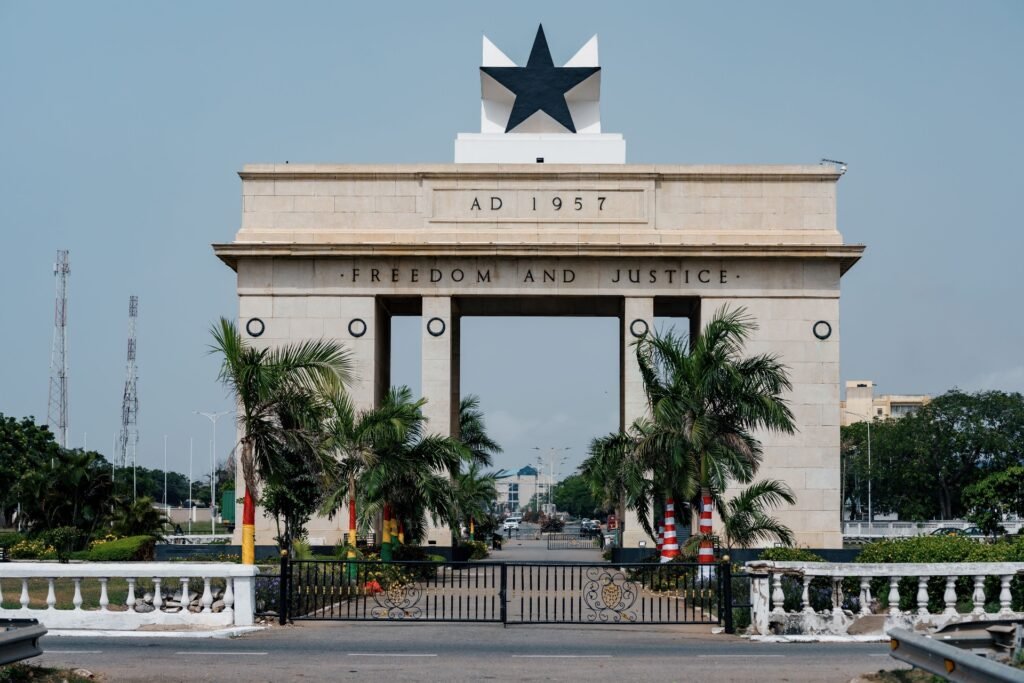
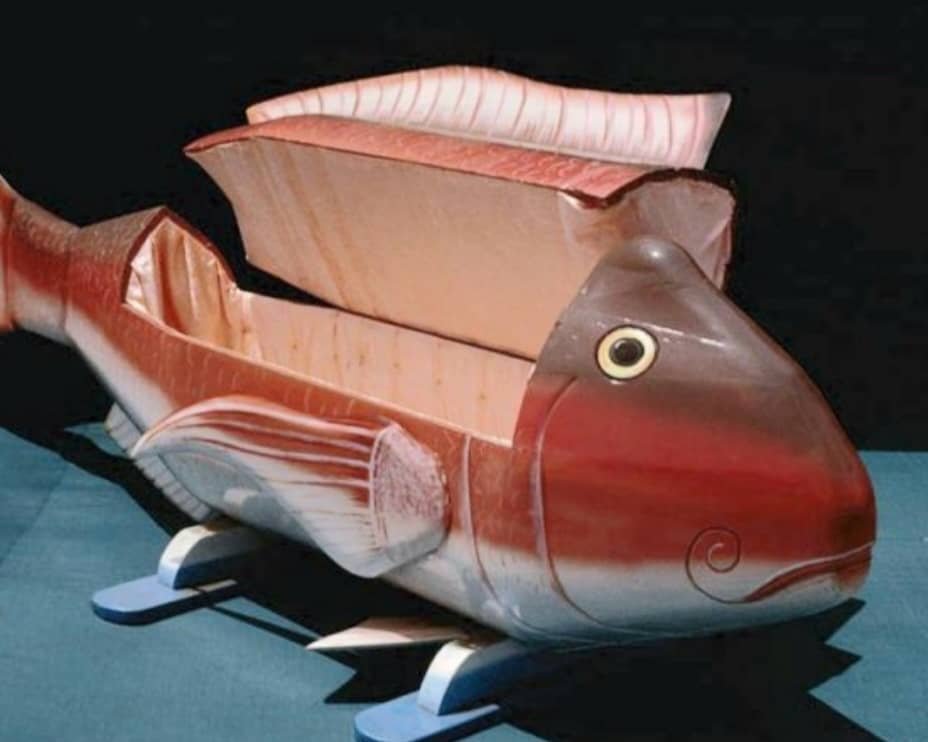
Jamestown, one of the oldest districts in Accra, dates back to the colonial era and played a key role in Ghana’s history. Home to the Ga people, Jamestown is known for their rich traditions and connection to the sea. We will follow the coast, passing by Independence Square, to land in one of the workshops of the makers of coffins with fanciful shapes representing fruits, fish, animals and others.
Day 3: Anomabo - Cap Coast - Elmina - Anomabo (218km / 4h10min)
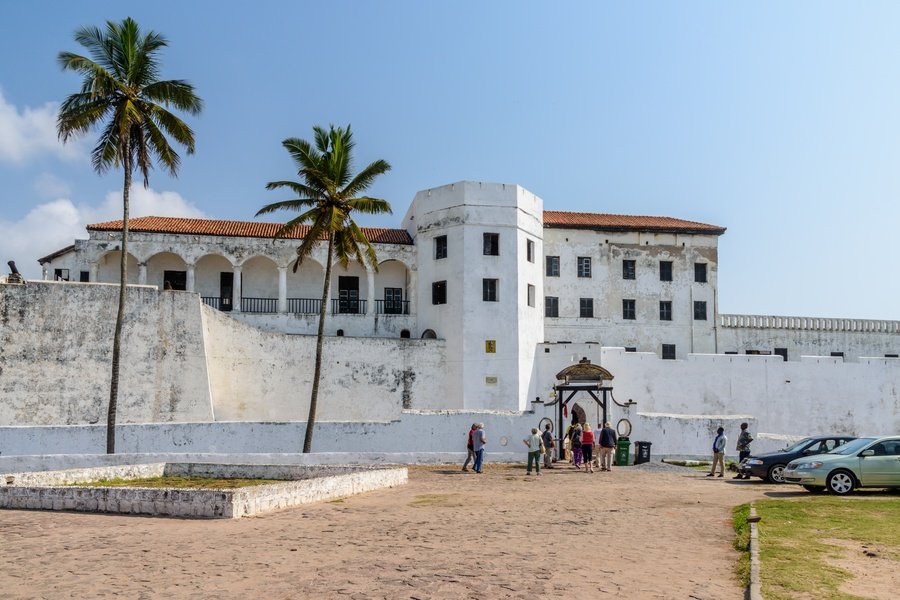
Visit to Fort St. George (Elmina Castle) and Fort Carolusborg (Cape Coast Castle). Fort St. George in Elmina is the most impressive and oldest fort in sub-Saharan Africa. Arguably the best known, it is listed as a UNESCO World Heritage Site. It is the largest permanent structure in sub-Saharan Africa. It was built by the Portuguese in the 15th century and was used for the trade of gold, ivory, and slaves. Elmina, a name linked to the history of West Africa, but also to history itself. In 1482, Christopher Columbus and Bartolomeo Diaz landed here with about ten caravels to build a castle under Portuguese rule. The site was considered a gold mining area, and thus the beginning of Elmina’s history… Built in 1653 by the Swedes, Cape Coast Castle offers a deep and immersive window into one of the darkest chapters in human history. It stands not only as a physical monument, but also as a continuing site of remembrance, reflection and learning.
Day 4: Anomabo/Kumasi (191km / 4h14min)
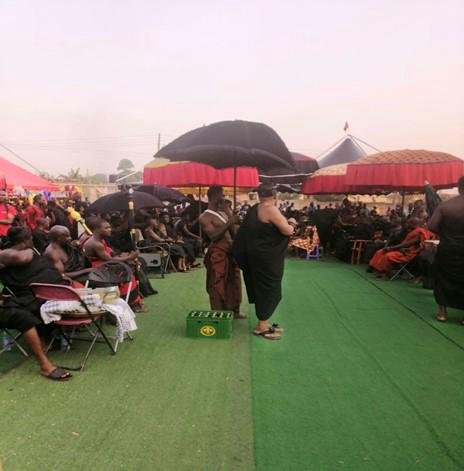
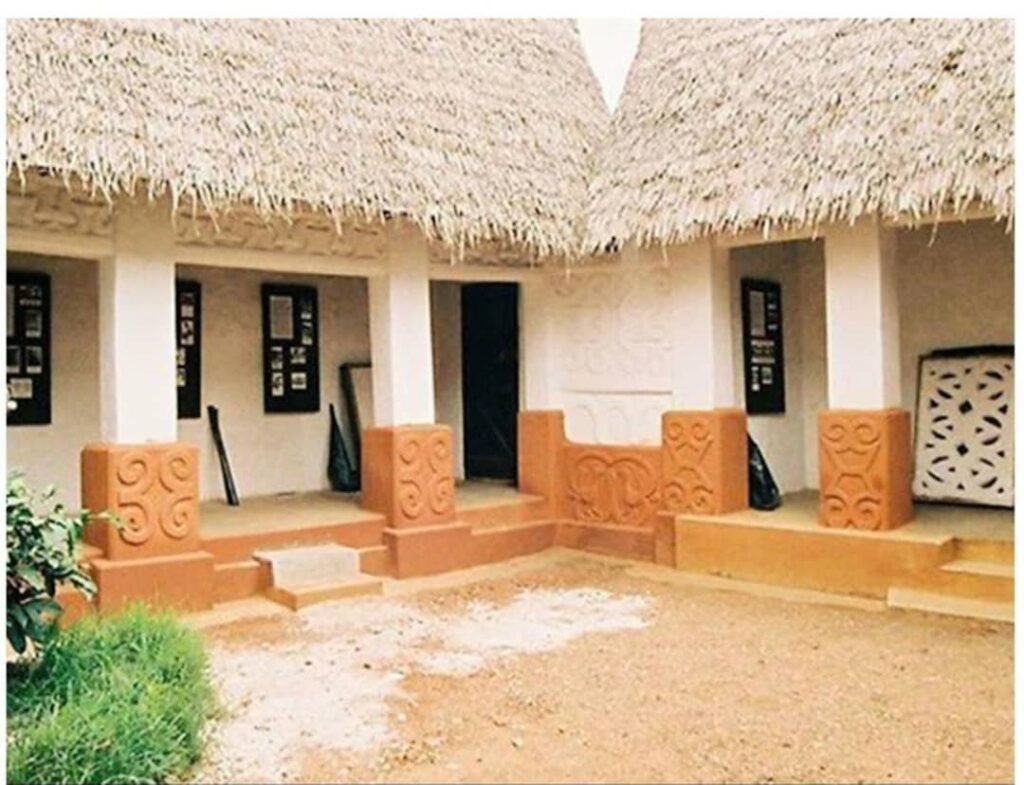
Drive to Kumasi, where two highlights of the day await us, transporting you to another world. We should arrive there in time for lunch. It’s one of the largest cities in Ghana, but more importantly, it’s the historical and spiritual capital of the ancient Ashanti kingdom. This people represented one of the most powerful nations in Africa until the end of the 19th century, when the British conquered the territory and incorporated it into their Gold Coast colony. We will visit the cultural center, which offers a beautiful collection of works of art housed in a superb reproduction of an Ashanti house. We will then attend the funeral ceremony. The mourners are draped in magnificent red and black fabrics. We officially call this ceremony a ‘funeral,’ but it’s actually a festive occasion, as the deceased is always considered a permanent member of the family. Friends and family gather in memory of the deceased, the Chief arrives surrounded by his court in the shade of a giant parasol, while percussionists set the rhythm for the dancers, whose complex choreography is highly symbolic.
Day 5: Kumasi to Techiman
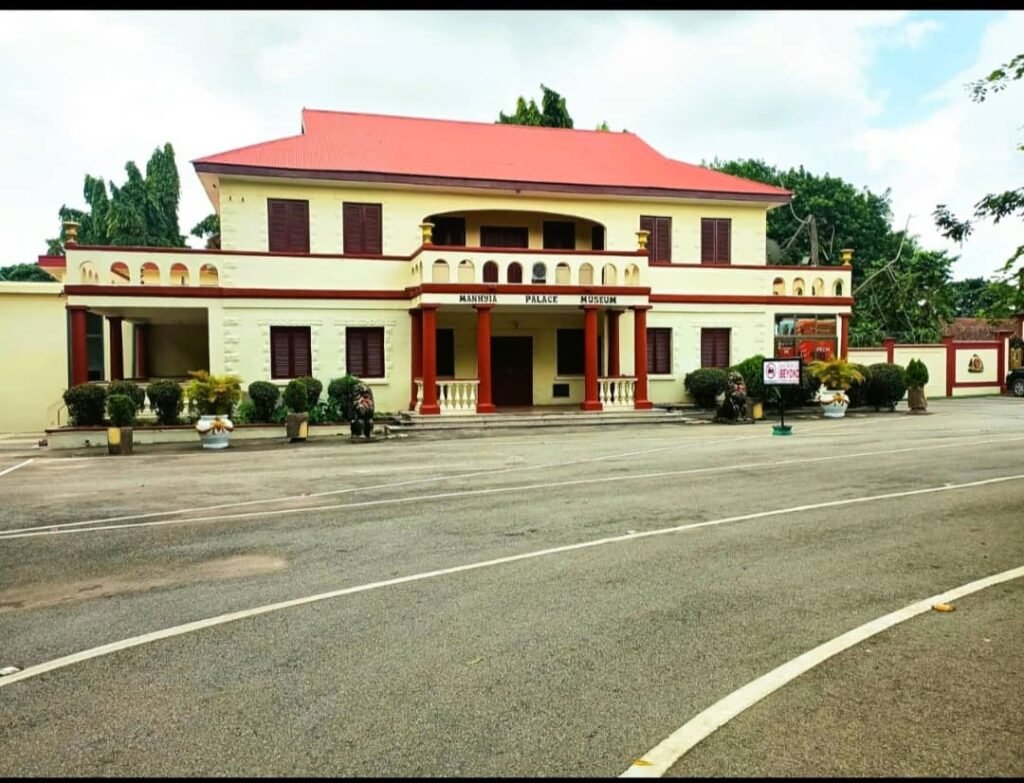
The Manhyia Palace Museum is a historical museum housed in the former Manhyia royal palace, built in 1925 for King Asante Prempeh I, who was returning from nearly 30 years of exile. This palace became a powerful symbol of Asante sovereignty. It is dedicated to commemorating Asante kings, queens and leaders, offering a rich insight into their history and culture.
Day 6: Techiman to Mole national park
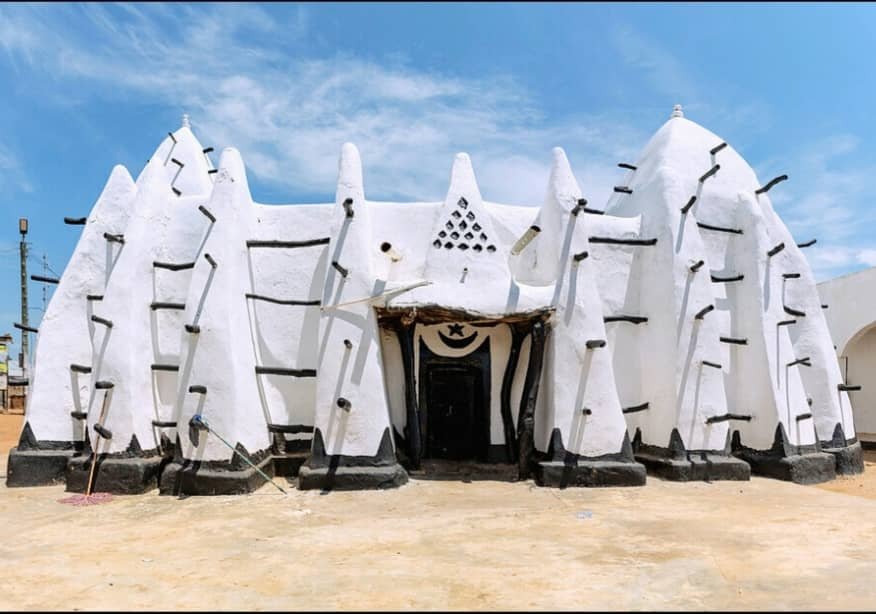
Considered to date from 1421, it is considered the oldest mosque in Ghana and one of the oldest in West Africa. Located in the village of Larabanga, in the Savannah region, this mosque is not only a beautiful structure, it is a living monument to Islamic and West African heritage, blending architecture, legend and deep community connections. Its proximity to Mole National Park makes it a practical and enriching cultural stop when visiting Northern Ghana. The Larabanga Mosque is an extraordinary destination that offers more than history: it provides a rich visual and spiritual experience, bringing together centuries of faith, architecture and local folklore.
Day 7: Mole national Park (Safari)
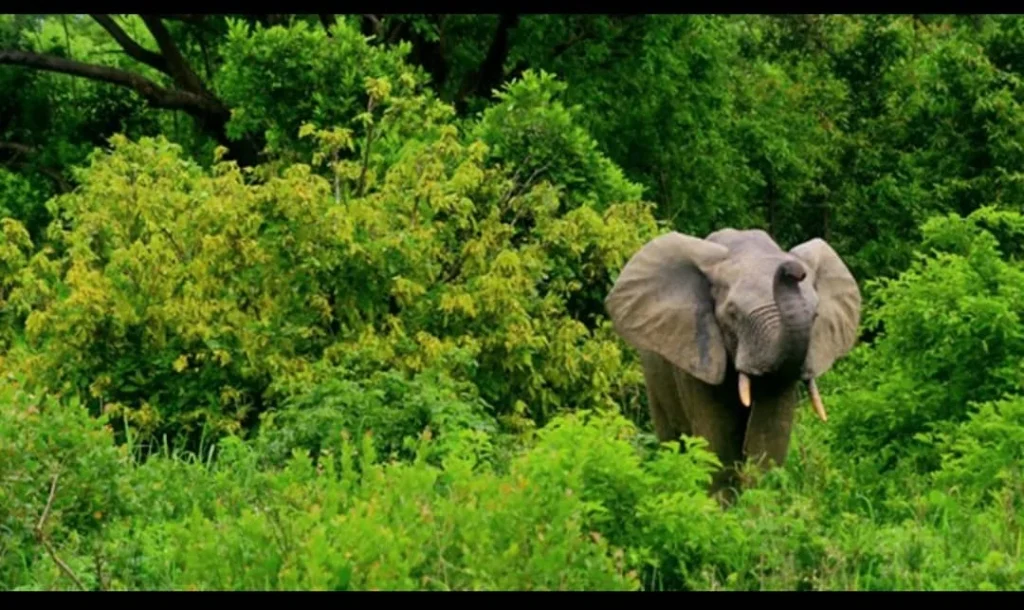
Mole National Park is Ghana’s largest and most iconic wildlife reserve, located in the Savannah region. Covering about 4,800 square kilometers, the park is home to a rich variety of wildlife including elephants, antelopes, warthogs, monkeys and over 300 bird species. Visitors can enjoy guided walking and driving safaris, often observing animals up close in their natural habitat. The park’s landscape includes savannah plains, rivers, waterfalls and the picturesque Konkori escarpment. Nearby cultural sites, such as the ancient Larabanga mosque, add to the unique experience. Mole offers a perfect blend of nature, wildlife and heritage.
Day 8: Mole to Techiman
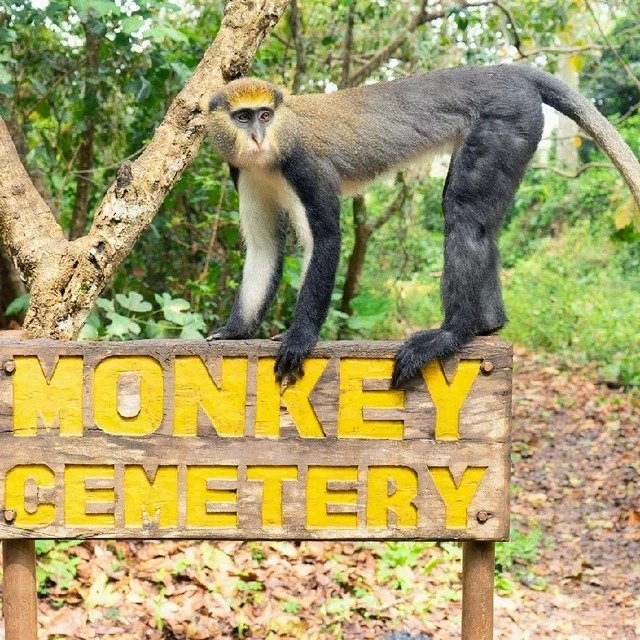
Visit the sacred monkey forest of Fiema Boabeng in Brong Afo region. The villagers consider the Mona and black and white Columbus monkeys as their totem, the reincarnation of their ancestors, and therefore respect them as protective spirits. Consequently, it is home of the largest concentration of these two species in the world. Throughout the gigantic trees of this forest, we should encounter many of them.
Day 9: Techiman to Kumasi
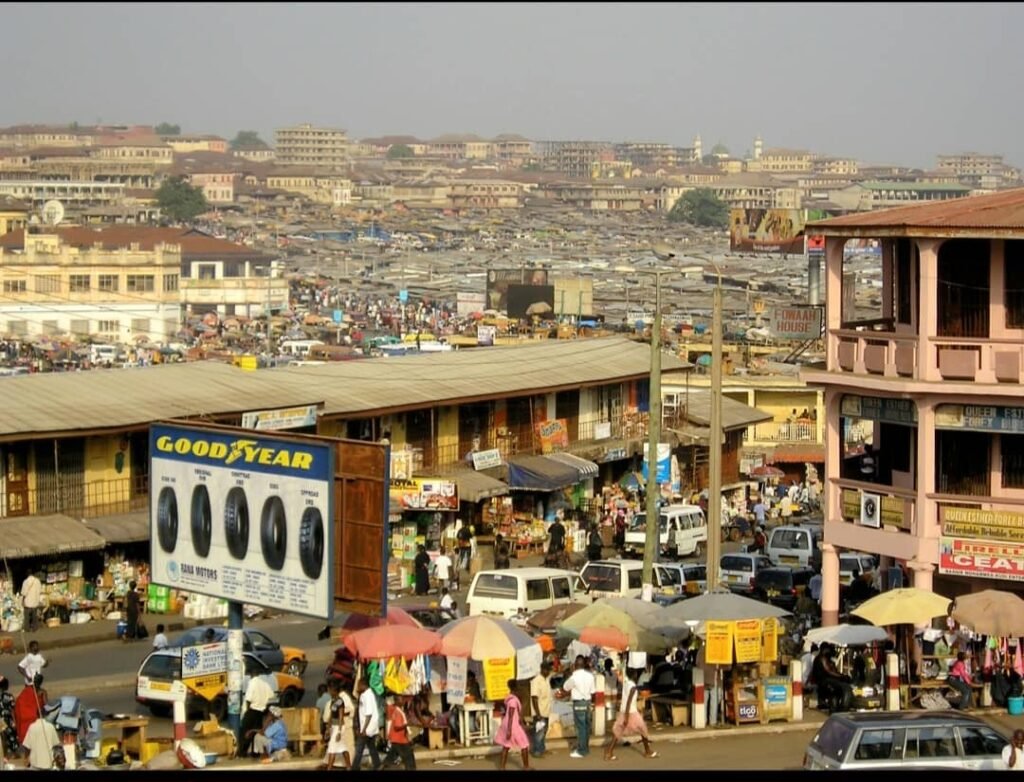
Kumasi Central Market, also known as Kejetia Market, a sprawling and vibrant center of commerce and culture, is the largest open-air market in West Africa. A mosaic of colors, textures, aromas, from kente cloth, spices, fresh produce, handmade crafts to street food like kelewele and waakye make this market special. Traders from all over Ghana and neighboring countries share goods and stories in this historic Ashanti commercial heart. Kumasi Central Market, far from being just a shopping center, is also a living testament to the spirit of Kumasi. From its 18th century origins to its current modern incarnation, it embodies the resilience, cultural heritage and pulse of everyday Ghanaian life..
Day 10: Kumasi to Koforidua
The Ejisu Shrine is an important traditional religious site located in Ejisu in the Ashanti region of Ghana. It is deeply connected to Ashanti spirituality, culture and history. It supports the continuation of Akan religious traditions. The Ejisu Shrine is more than just a sacred site; it is a living symbol of Ashanti pride, history and spirituality.
Day 11: Koforidua to Akosombo (188km / 4h3min)
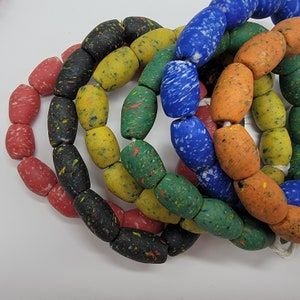
The Krobo people, an ethnic group from southeastern Ghana, are renowned for their ancestral art of bead making, which is an integral part of their culture and economy. Here is an overview of their deep connection with beads: The art of beadwork dates back centuries. Beads are often made from recycled glass, an ecological and ingenious tradition. Glass is crushed then colored with natural pigments. Glass powder is placed in clay molds. They are then fired in traditional ovens. After firing, the beads are hand polished with sand and water to smooth their surface. We will visit a family renowned in Ghana for its art of bead making and we will have the opportunity to follow the process from workshop to exhibition.
Day 12: Akosombo to Accra out
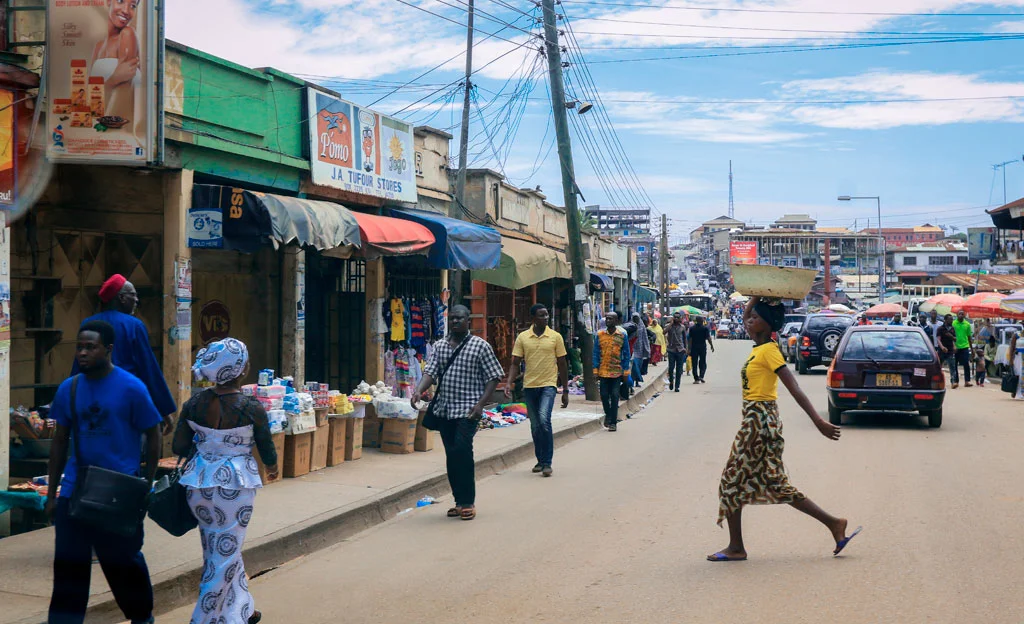
Shopping and day use if boarding time permits..
Price per person
6+ people
3 119 €
4-5 people
3 420 €
2-3 people
3 721 €
Your journey starts here
Contact us to customize your trip and get a detailed quote for this 12-day tour in Ghana.